
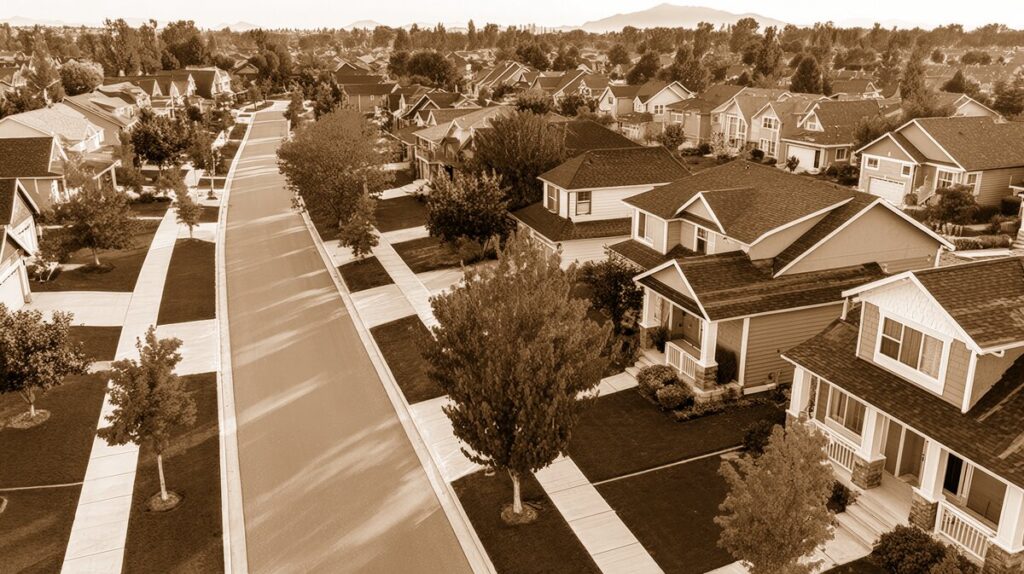
East Falmouth isn’t just a neighborhood — it’s a living tapestry woven from centuries of history, natural beauty, and the enduring spirit of its residents. From its earliest beginnings as Wampanoag land to its place today as a beloved Cape Cod community, East Falmouth has long been a destination for those seeking both heritage and home. Join me as I share the story of this vibrant locale, as seen through the eyes of someone lucky enough to call it a neighbor.
Early Origins: From Wampanoag Lands to Colonial Settlement
Long before East Falmouth was mapped and named, the land was stewarded by members of the Wampanoag Tribe, who fished, farmed, and thrived among the region’s woodlands, ponds, and coastline. Today, traces of their presence linger in place names, artifacts, and the enduring respect held by locals for the area’s original caretakers.
In the 1660s, English settlers seeking new opportunities began arriving on Cape Cod, and what is now Falmouth was officially incorporated in 1686. As families cleared plots along what would become Sandwich, Central, and Old Meeting House Roads, the eastern stretch of Falmouth began to take shape as a distinctive enclave with its own character and resources.
How East Falmouth Got Its Name
The roots of the name “East Falmouth” are firmly practical, reflecting the area’s location on the eastern side of the Falmouth township. As the main village centered around present-day Main Street (now “Falmouth Village”), other regions were distinguished by compass points: North Falmouth, West Falmouth, and, of course, the community to the east. Over the decades, East Falmouth developed its own charm, anchored by family farms, cranberry bogs, and saltwater inlets.
Key Historical Milestones
East Falmouth’s growth mirrors the broader American story. Its history includes:
- Cranberry Boom: The early 20th century saw East Falmouth’s sandy soils become ground zero for a cranberry renaissance. The sprawling bogs off Old Barnstable Road and Carriage Shop Road remain some of the region’s most picturesque agricultural landmarks.
- Railroad Arrival: The extension of the Woods Hole Branch of the Old Colony Railroad in the late 1800s, with a stop at nearby Davisville, spurred local development and brought with it waves of summer visitors and new residents.
- World War II Era: The construction of nearby military installations brought a burst of activity and new faces, with many servicemembers and their families choosing to settle in the area, drawn to scenic views along Menauhant Beach and Green Pond Harbor.
- Postwar Suburbanization: As cars made the Cape more accessible, East Falmouth’s population steadily rose, especially along Route 28, Davisville Road, and around freshwater ponds like Jenkins, Ashumet, and Eel.
Notable Landmarks and Institutions
Woven through East Falmouth’s landscape are touchstones of its heritage and heart:
- Waquoit Congregational Church: Perched on the corner of Route 28 and Parsons Lane, this 19th-century landmark is more than a house of worship — it’s a gathering place for community events, suppers, and local history talks.
- Old Dock Road and Davisville Area: Once bustling with boatbuilders and oyster farmers, this area still offers glimpses of East Falmouth’s seaside roots. Stroll quietly and you might spot homes dating to the late 1800s, set amid windswept oaks and wild-rose thickets.
- Jenkins Pond and Ashumet Pond: Beloved for swimming, fishing, and family picnics, these kettle ponds are natural jewels, shaped by glaciers and cherished by generations.
- Coonamessett Farm: A destination for both locals and day-trippers, this working farm on Hatchville Road invites visitors to pick berries, meet goats, and savor farm-to-table cuisine.
- Green Pond Marina: Once a sleepy harbor for fishermen, today’s Green Pond is a lively marina known for its scenic boardwalk, excellent boating access, and photogenic sunsets.
A Neighborhood in Evolution
One of East Falmouth’s defining qualities has always been its balance — where summer folks and year-rounders mingle, where old saltbox homes stand beside newer capes and colonials, and where tradition meets the pulse of modern Cape living.
Over the past decades, the neighborhood has evolved in countless ways:
- Housing: The postwar boom brought a wave of new neighborhoods, such as Seacoast Shores and Menauhant, each with its own distinct flavor. Careful zoning and conservation efforts have helped preserve open space and protect the delicate salt marshes.
- Community Spirit: Organizations like the East Falmouth Village Association, Falmouth Service Center, and local churches ensure the spirit of neighborliness and volunteerism stays strong. The annual East Falmouth Christmas Parade is a highlight, drawing folks of all ages to Route 28.
- Education: The Teaticket Elementary School on Teaticket Highway and nearby Morse Pond School help shape the next generation of East Falmouth residents, grounding them in community pride and connection to the land.
What Makes East Falmouth Special
Ask any resident, and they’ll tell you: East Falmouth’s heart lies in its people and its landscapes. Whether you’re exploring the quiet lanes off Bournes Pond Road, birdwatching at the Frances A. Crane Wildlife Management Area, or biking the Shining Sea Bikeway, you’re connected to a centuries-old tradition of appreciation for nature, neighbor, and history.
East Falmouth’s story is still being written. Each year brings new families, new chapters, and new memories — but the roots run deep, anchoring this community in the timeless rhythms of Cape Cod life.
Whenever you visit or pass through East Falmouth — maybe grabbing a cone at Smitty’s Ice Cream, or watching boats bob in the harbor on a summer evening — remember, you’re traveling through living history. And you’re always welcome here, in the heart of Cape Cod’s storied east.